Every cell in the human body contains essentially the same genetic instructions, yet a heart cell behaves very differently from a nerve or skin cell. For many years, scientists assumed that once a cell had acquired a specialized role, its identity was largely fixed. Today, researchers can take a mature cell from an adult and return it to a flexible, stem-cell-like state. From there, they can guide it toward becoming a heart cell, neuron, liver cell, or another specialized cell needed for research.
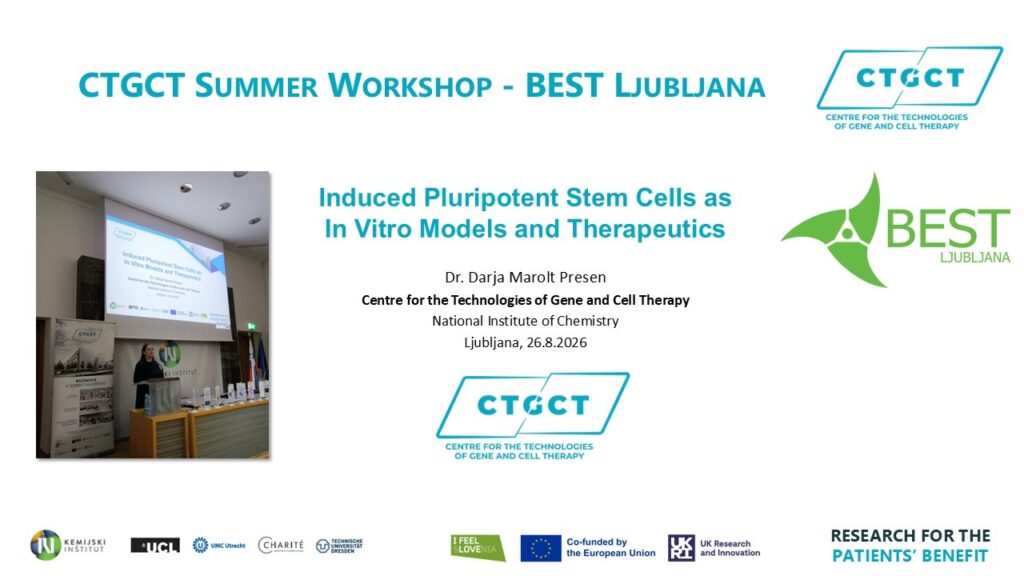
In her lecture during the Summer Course BEST Ljubljana, Dr. Darja Marolt Presen from the CTGCT, introduced the scientific foundations of this technology and explained how it is changing disease research, drug development, and regenerative medicine. She also examined the practical challenges involved in transforming a promising laboratory technique into a safe, standardized, and accessible therapy.
Key concepts for understanding iPSC technology
- Specialized cell: A cell adapted to perform a particular function. Heart muscle cells contract, neurons transmit signals, and skin cells provide a protective layer for example.
- Stem cell: A cell that can make additional copies of itself and produce cells with more specialized functions. Stem cells contribute to development, tissue maintenance, and the replacement of damaged cells.
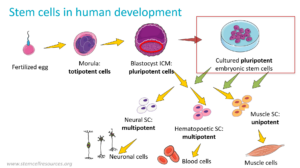
- Cell potency: A description of the range of specialized cells that a stem cell can produce. Some stem cells can generate only one or a few related cell types, while others have much broader potential.
- Pluripotent stem cell: A highly flexible stem cell that can develop into any cell type found in the human body, including heart, nerve, bone, and liver cells.
- Embryonic stem cell: A pluripotent stem cell originally obtained from an early-stage embryo. These cells are scientifically valuable, but their origin raises ethical questions and affects how they may be used.
- Induced pluripotent stem cell, or iPSC: A mature adult cell that has been biologically reprogrammed into a pluripotent state. “Induced” in this case means that scientists create this state in the laboratory, while “pluripotent” refers to the cell’s ability to produce any cell type in the body.
- Reprogramming: The process of resetting the biological instructions that maintain a cell’s specialized identity. Reprogramming does not usually change the cell’s underlying DNA sequence. Instead, it changes which genes are active.
- Differentiation: The process of guiding a stem cell toward a specialized identity, such as a neuron, heart muscle cell, or bone-forming cell.
- Organoid: A small, three-dimensional tissue structure grown from cells in the laboratory. An organoid reproduces selected features of a real organ, making it more informative than a simple flat layer of cells. A typical example is brain organoid.
- Autologous and allogeneic cells: Autologous cells come from the person who may eventually receive them, while allogeneic cells come from another donor. This distinction influences immune compatibility, production costs, and the number of patients a treatment could reach.
How can an adult cell be returned to a flexible state?
The development of induced pluripotent stem cells was based on an important discovery. A specialized adult cell still contains all the genetic information needed to produce other cell types. For example, a skin cell may use only the instructions required to behave like skin, but it still carries the wider set of genetic instructions found throughout the body. However, researchers discovered that they could reset a mature, specialized cell by introducing only a small number of biological regulators known as reprogramming factors which are otherwise expressed in early embryo. In early experiments, researchers used four factors called OCT3/4, SOX2, KLF4, and c-MYC to reprogram skin cells. Together, these factors changed which genes were active, resetting the developmental trajectory, and returned mature cells to a state resembling that of embryonic stem cells.
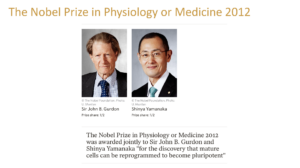
The first widely recognized experiments succeeded in mouse cells in 2006, followed by human cells in 2007. This was a major scientific advance because it provided a new source of pluripotent cells for any patient or research study without requiring human embryos, and it was awarded in 2012 the Nobel Prize in physiology or medicine, only 6 years after the initial discovery.
The process can begin with a relatively accessible patient sample, such as blood or skin. Researchers first isolate mature cells and reprogram them into iPSCs. They then grow these cells in the laboratory and expose them to carefully selected signals that encourage them to develop into the cell type needed for a particular study.
This means that researchers do not always need to take a sample directly from a damaged or inaccessible organ. It would be difficult and potentially dangerous to remove heart muscle cells or neurons from a patient solely for research. Instead, scientists can collect a more accessible cell, reprogram it, and use it to produce heart or nerve cells in the laboratory.
Creating patient-specific models of disease
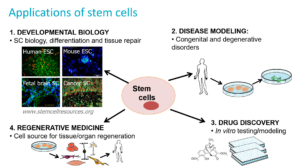
One of the most valuable uses of iPSCs is the creation of cellular models that preserve a patient’s genetic background. If a person has a genetic condition, cells collected from that individual usually carry the disease-associated genetic variant. After reprogramming, the resulting iPSCs retain that variant and can be transformed into the cell type affected by the disease.
For example, researchers can produce beating heart muscle cells from the cells of a person with an inherited heart rhythm disorder. These laboratory-grown cells may reproduce changes in electrical activity associated with the condition. Scientists can observe the abnormal behavior directly and test whether a potential treatment improves it.
This approach is particularly important in rare diseases. Individual rare conditions affect relatively small numbers of people, which can make it difficult to collect enough clinical data or biological samples for conventional research. Together, however, rare diseases affect a substantial part of the population and create significant challenges for patients, families, healthcare systems, and drug developers.
Patient-derived iPSCs can help researchers investigate why a particular genetic change causes disease, even when direct access to the affected tissue is impossible. They can also reveal whether people who appear to have the same condition respond differently at the cellular level.
Genome-editing technologies can make these experiments more precise. Researchers may correct a suspected disease-causing variant in cells from a patient and compare the corrected cells with the original cells. Alternatively, they may introduce the same variant into a healthy cell line. If the abnormal cellular behavior disappears after correction, or appears after the variant is introduced, the evidence connecting the genetic change to the disease becomes stronger.
These matched comparisons can also support the search for treatments. Instead of testing medicines on unrelated cells, researchers can assess whether a candidate drug corrects a specific disease-related problem in cells carrying the patient’s genetic background. This does not replace clinical trials, but it may help identify the most promising treatments before studies involving patients begin.
From beating heart cells to miniature models of the brain
 Induced pluripotent stem cells can be used to produce many kinds of specialized human cells. Heart muscle cells are among the most striking examples because they can contract visibly when grown under the right laboratory conditions. Researchers can measure their rhythm, electrical activity, structure, and response to medicines.
These cells could improve both disease research and drug-safety testing. Some medicines unintentionally interfere with the heart’s electrical system and may cause dangerous rhythm disturbances. Testing compounds on human heart cells derived from iPSCs could help identify such risks earlier in drug development.
The same principle can be applied to the liver and nervous system. The liver processes many medicines, making liver toxicity a major concern during drug development. Neurons and other brain cells are essential for studying neurological and neurodevelopmental conditions but living human brain tissue is rarely available for research.
Scientists can also use iPSCs to develop organoids. A brain organoid is not a miniature, fully functioning brain. It is a laboratory-grown structure containing neural cells arranged in ways that reproduce selected features of early brain development. This organization can reveal interactions that are difficult to observe in a flat layer of cells.
When researchers produce brain organoids from people with genetic conditions affecting development, the organoids may reproduce some features of the disorder. Scientists can then investigate when the first abnormalities appear, which types of cells are affected, and whether an experimental intervention changes the developmental process.
These human-cell models help address a persistent problem in biomedical research: laboratory animals and conventional cell cultures cannot reproduce every aspect of human biology. Animal studies remain important, but a treatment that works in an animal may not have the same effect in people. Human iPSC-derived cells can add another layer of evidence and potentially help researchers make better decisions about which treatments should advance to clinical testing.
Can these cells be used to repair damaged tissues?
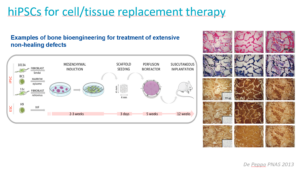
Disease modelling and drug testing examine cells in the laboratory. Regenerative medicine goes further by asking whether laboratory-produced cells could replace those lost through injury, ageing, or disease.
In the work discussed during the lecture, pluripotent stem cells were guided toward becoming bone-forming cells. These cells were placed on three-dimensional scaffolds that provided physical support and helped them organize into tissue-like structures. Bioreactors were then used to control aspects of the cells’ environment, such as nutrient delivery and physical stimulation.
This combination of stem-cell biology, engineering, and materials science points toward the possibility of producing tissue for repair. Three-dimensional bioprinting offers another approach. Cells can be mixed with a supportive biomaterial, sometimes called a bio-ink, and deposited layer by layer to create a planned structure.
However, producing a small piece of relatively simple tissue is very different from constructing a complete organ. Organs contain multiple cell types arranged with extremely high precision. They also need blood vessels to deliver oxygen and nutrients and remove waste.
Without an effective supply network, cells located deep inside a large engineered tissue may not survive. Creating stable vessel-like structures and connecting them to the patient’s circulation is therefore one of the central challenges in tissue engineering.
Quantity presents another obstacle. A laboratory experiment may use a relatively small number of cells, while a therapy could require millions or billions. Researchers must find ways to produce cells at scale without changing their identity, function, or genetic stability.
Powerful cells require strict safety controls
The flexibility of iPSCs is both their greatest advantage and one of their main risks. Before transplantation, cells must be differentiated into the intended therapeutic cell type. If undifferentiated pluripotent cells remain in the final product, they may continue growing or produce several inappropriate tissue types. In experimental settings, such cells can form growths called teratomas.
A potential therapy must therefore contain the correct cells and as few unwanted cells as possible. Researchers also need to demonstrate that the cells perform the intended function and remain stable during production.
Quality control begins with the original iPSC line. Scientists check whether the cells display the expected pluripotent characteristics and whether they can reliably develop into different specialized cell types. They also examine the cells for genetic abnormalities.
A culture may look healthy while still containing changes affecting chromosomes, individual genes, or the mitochondria that provide cells with energy. Such changes can arise during repeated cell division or as a result of overcrowding, oxidative stress, prolonged cultivation, or unsuitable laboratory conditions. Visual inspection alone is therefore not enough.
Reprogramming methods have also changed in response to safety concerns. Some early techniques used viruses that inserted genetic material into the cell’s DNA. Although effective, integration could create permanent and potentially unwanted changes. Researchers subsequently developed non-integrating methods using modified RNA, proteins, and other temporary systems.
Laboratory materials are becoming more standardized as well. Poorly defined animal-derived ingredients can introduce biological variation or contamination risks. Replacing them with defined or human-compatible materials can make results more consistent and improve the suitability of the process for clinical production.
From a research method to an accessible treatment
Producing cells for research is not the same as manufacturing a medical product. A clinical cell therapy must be consistent between production batches and supported by evidence demonstrating its identity, purity, biological activity, and safety.
Manufacturing must take place under controlled conditions, with validated equipment, documented procedures, trained personnel, and traceable materials. These requirements are often described as Good Manufacturing Practice, or GMP. They help ensure that a therapy made for one group of patients is produced to the same standard as the therapy made for another.
The choice between patient-specific and donor-derived cells also has practical consequences. A therapy made from each patient’s own cells may reduce some immune-compatibility problems, but individualized production can be slow, complex, and expensive as we learn in the lesson from Dr. Tina Fink on CAR T. A standardized bank of cells from selected donors could provide products for larger groups of patients, although immune rejection may then become a greater concern.
Cost and access must be considered alongside scientific progress. Highly individualized therapies may be technically possible without being affordable for healthcare systems or widely available to patients. Investment in shared manufacturing infrastructure, common quality standards, regulatory expertise, and international collaboration will be essential if iPSC-based treatments are to move beyond specialist centers.
For the foreseeable future, the largest impact of iPSCs may come from their use as research tools. They can improve understanding of rare and complex diseases, support the selection of safer medicines, and help researchers design more precise gene and cell therapies. At the same time, carefully controlled clinical studies continue to examine whether iPSC-derived cells can safely replace damaged cells in patients.
Conclusion
Induced pluripotent stem cells begin as ordinary mature cells, such as cells collected from blood or skin. Scientists reset these cells into a flexible state and then guide them toward becoming the specialized cells needed for research or potential treatment. This makes it possible to study human diseases in relevant cell types, investigate the effects of genetic variants, test medicines, and explore new ways of repairing damaged tissues.
The technology also demands exceptional care. Researchers must control what the cells become, detect genetic changes, eliminate unwanted cells, manufacture large quantities consistently, and demonstrate long-term safety. Scientific innovation must be accompanied by appropriate regulation, sustainable production, and policies that support fair access.
CTGCT thanks Dr. Darja Marolt Presen for presenting a clear and wide-ranging account of how iPSC technology connects fundamental cell biology with disease modelling, drug development, tissue engineering, and the practical realities of creating safe therapies.