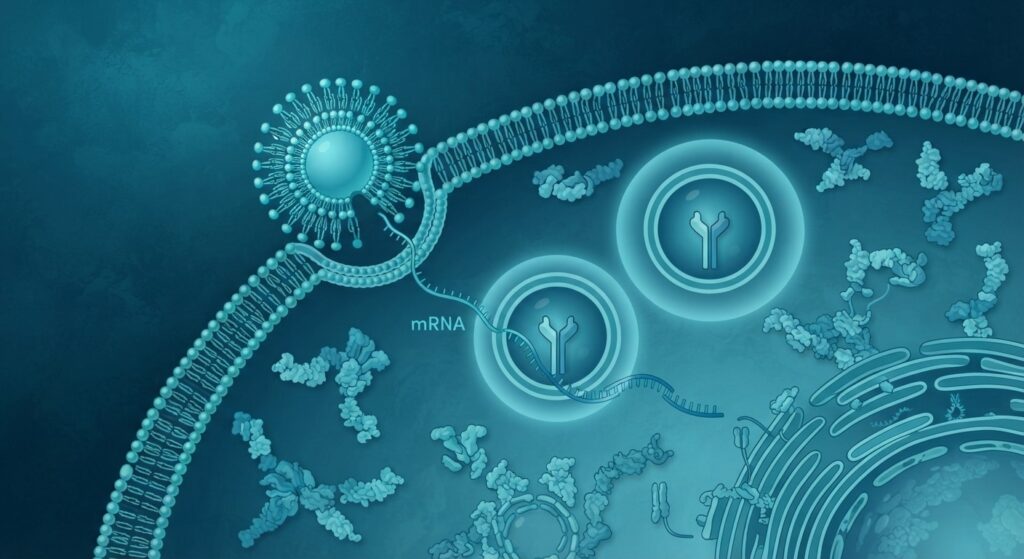
Imagine a smoke alarm so sensitive that it sounds whenever someone makes toast. The alarm is doing its job by detecting a possible danger, but its response is stronger than the situation requires. Something similar can happen when advanced medicines deliver RNA or DNA into the body: the immune system may react to the genetic material as though it were a sign of infection, causing inflammation that can limit treatment.
This new paper, authored by some of the key members of the CTGCT, was published in Molecular Therapy, titled Decoupling reactogenicity from efficacy enables safer mRNA vaccines, AAV gene delivery, and in vivo base editing, suggests that this biological alarm can be turned down without stopping the therapy from working. The research was conducted by scientists from the Department of Synthetic Biology and Immunology and CTGCT at the National Institute of Chemistry, together with collaborators at the Institute of Virology in Technical University of Munich.
Key concepts
- Nucleic-acid therapeutics use RNA or DNA to give cells biological instructions. They include mRNA vaccines, viral-vector gene therapies and genome-editing treatments.
- Innate immunity is the body’s rapid first line of defence. It includes sensors that detect molecular signs of infection or cellular damage.
- Reactogenicity refers to short-term reactions caused by immune activation, such as fever, fatigue and muscle pain. In some gene-delivery settings, inflammation can also contribute to toxicity or restrict dosing.
- Lipid nanoparticles, or LNPs, are very small fat-based particles that protect mRNA and help deliver it into cells.
- Adeno-associated virus, or AAV, is a modified viral vector used to carry therapeutic genetic material into cells. AAV9 is being investigated for applications that include delivery to the nervous system.
- Base editing is a genome-editing technique that can change a specific DNA letter without cutting both strands of the DNA molecule.
- Hydroxychloroquine, or HCQ, is an established medicine used for approved indications including autoimmune diseases. In this study, researchers investigated whether it could modify how cells respond to delivered nucleic acids.
When a useful delivery triggers an excessive alarm
RNA and DNA medicines work by bringing biological instructions into cells. Depending on the treatment, those instructions may tell a cell to produce a vaccine antigen, replace a missing protein or correct a disease-associated genetic variant.
The difficulty is that cells do not automatically know whether incoming genetic material is therapeutic or dangerous. The immune system has evolved to detect RNA and DNA in unusual places because their presence can indicate an infection. When cellular sensors encounter this material, they can trigger the release of inflammatory molecules.
Returning to the smoke-alarm comparison, the delivered instructions are not the fire. Nevertheless, the immune system may detect something associated with danger and sound the alarm.
The researchers observed a similar early inflammatory pattern across several delivery technologies, including mRNA packaged in lipid nanoparticles, adenoviral vectors and AAV9 vectors. In mouse models, inflammatory signals rose rapidly and generally peaked about six hours after administration.
Empty lipid nanoparticles produced little response at comparable volumes. This indicated that the nucleic-acid cargo, rather than only the delivery vehicle, was an important driver of inflammation under the conditions tested.
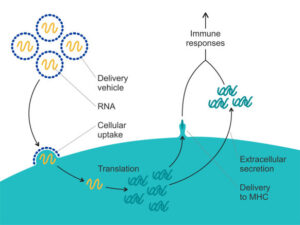
This shared response matters because mRNA medicines, viral vectors and genome editors are often discussed as separate technologies. The study points to a challenge connecting all three: the body’s response to the RNA or DNA they deliver.
For vaccines, this response may contribute to temporary effects such as fever, fatigue or muscle pain. For other genetic medicines, particularly those requiring higher or repeated doses, inflammation may have more serious consequences. It can restrict the amount of treatment that can be administered, make redosing more difficult and contribute to toxicity in sensitive organs such as the liver or brain.
As more nucleic-acid medicines move towards clinical use, this dosing problem becomes increasingly important. A treatment may be highly effective in principle, but its potential cannot be fully realised if the body cannot tolerate the dose needed to produce a benefit.
Turning down the alarm without removing its batteries
The researchers wanted to know whether the early inflammatory response was essential for a nucleic-acid therapy to work. In other words, could the alarm be made less sensitive without removing its batteries?
To investigate this question, the team used HCQ (Hydroxychloroquine) to modify how cells detect nucleic acids. Laboratory experiments indicated that the medicine interacted with nucleic acids and changed conditions inside endosomes, cellular compartments that contain several receptors responsible for recognising foreign RNA and DNA.
The treatment reduced the activation of early inflammatory signalling after nucleic-acid delivery. Importantly, it did not simply switch off the immune system. Responses activated through unrelated experimental pathways remained functional, suggesting a more selective effect on nucleic-acid sensing rather than broad immune suppression.
In mouse vaccination experiments, this approach reduced the early release of inflammatory molecules following mRNA and adenoviral vaccination. At the same time, the main measures of vaccine activity were largely preserved, including antibody production and cellular immune responses. Longer-term experiments also found comparable antibody levels and activated immune-cell populations up to 84 days after the first mRNA immunisation.
The results were not identical under every experimental condition. One way of administering HCQ alongside an mRNA vaccine produced a modest reduction in live-virus neutralisation. This reduction was not observed when HCQ was given before vaccination. The difference shows why the dose, timing and method of administration would need careful evaluation before this approach could be considered for clinical use.
The broader finding is nevertheless significant: a strong early inflammatory reaction did not appear to be essential for the tested treatments to remain effective. The immune alarm could be turned down while the therapeutic instructions continued to be delivered and used.
A wider safety window for gene delivery and genome editing
The researchers also examined situations in which inflammation presents a more direct safety challenge than temporary vaccine reactions.
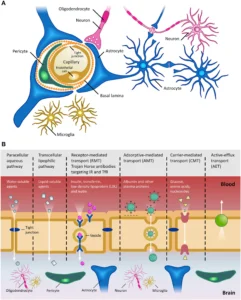
In one experiment, AAV9 was used to deliver genetic material into the mouse brain. This type of vector is being explored for neurological applications, but inflammation in the brain can affect blood vessels, supporting cells and the blood-brain barrier, which controls the movement of substances between the bloodstream and brain tissue.
Modulating early nucleic-acid sensing reduced inflammatory changes and helped preserve markers associated with blood-brain barrier integrity, blood vessels, glial cells and neurons. Crucially, expression of the delivered gene remained intact. The alarm was quieter, but the delivery still reached its destination.
The team also studied repeated and higher-dose delivery of mRNA in lipid nanoparticles. Treatment with HCQ reduced inflammatory signals, increases in liver enzymes and reductions in platelet counts. At the same time, the mRNA continued to produce the intended protein.
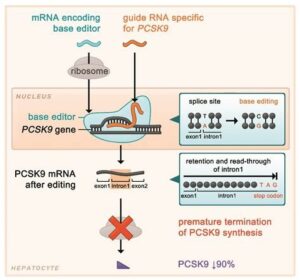
Finally, the researchers tested the approach with an mRNA-delivered base editor targeting PCSK9, a gene involved in regulating low-density lipoprotein(LDL) cholesterol, often called the “bad” cholesterol. The early inflammatory response and signs of liver injury were reduced, while the expected decrease in circulating PCSK9 indicated that genome editing remained effective.
These findings could have implications beyond improving comfort after vaccination. Some advanced therapies need relatively high doses to reach enough cells, while treatments for long-term conditions may need to be administered more than once. If inflammation limits dosing, an otherwise promising therapy may not reach its full clinical potential.
A method that widens the distance between an effective dose and a harmful one could therefore help make nucleic-acid medicines more practical. It could also support their use in tissues where inflammation is especially dangerous.
An established medicine, but a new use
Repurposing an existing medicine offers advantages over developing a new compound from the beginning. HCQ has a long history of clinical use in approved indications, so its pharmacology, dosing and safety profile are comparatively well characterised.
“A key advantage of this approach is that it repurposes a medicine whose pharmacology, dosing, and safety profile are well characterized through long-standing and widespread clinical use,” said Prof. Roman Jerala. “This may facilitate progression to clinical evaluation, but its new use in combination with nucleic-acid therapeutics must be specifically assessed in appropriately designed clinical trials.”
That distinction is essential. The study was conducted in cells and animal models. It does not show that people receiving an mRNA vaccine, gene therapy or genome-editing treatment should also receive HCQ.
A familiar medicine can behave differently when used for a new purpose, at a different dose or in combination with another treatment. Clinical studies would need to determine whether the approach is safe and beneficial for each application. Researchers would also need to establish the most appropriate timing and dose.
Not every nucleic-acid treatment will necessarily benefit from lowering early inflammation. Some therapeutic vaccines, including certain approaches designed to stimulate an immune response against cancer, may depend on stronger immune activation.
Recalibrating the alarm will therefore require precision. The goal is not to make the immune system less vigilant, but to prevent an excessive response when that response limits treatment.
Towards safer and more flexible genetic medicines
The study provides preclinical evidence that inflammation and therapeutic effectiveness do not always have to rise and fall together. Across the models tested, reducing an early inflammatory burst preserved vaccine responses, therapeutic protein production, viral-vector activity and genome-editing efficiency, while reducing several indicators of toxicity.
If this principle can be translated safely to patients, it could help make advanced medicines easier to tolerate, enable repeat or higher-dose treatment, and support delivery to vulnerable organs. This could be particularly relevant for rare genetic diseases, neurological disorders and other conditions in which nucleic-acid therapies offer the possibility of addressing an underlying biological cause.
Rather than disconnecting the body’s alarm system, the research points towards a more measured objective: calibrating it so that it continues to protect us without preventing useful therapies from working.
The experimental work was led by Dr Duško Lainšček and Špela Malenšek, with contributions from Vida Forstnerič, Anja Golob-Urbanc, Sara Orehek, Jure Bohinc, Mateja Manček Keber, Timotej Sotošek, Hana Esih, Peter Pečan, Jelica Pantović-Žalig, Mojca Benčina, Romina Bester, Ulrike Protzer and Roman Jerala.
The research was supported by the Slovenian Research and Innovation Agency, the Horizon Europe Teaming project CTGCT, and the German Federal Ministry of Education and Research.
CTGCT thanks all the authors, researchers and collaborators whose work contributed to this study. Article based on Lainšček, D., Malenšek, Š., Forstnerič, V., Golob-Urbanc, A., Orehek, S., Bohinc, J., Keber, M. M., Sotošek, T., Esih, H., Pečan, P., Pantović-Žalig, J., Benčina, M., Bester, R., Protzer, U., & Jerala, R. (2026). Decoupling reactogenicity from efficacy enables safer mRNA vaccines, AAV gene delivery, and in vivo base editing. Molecular Therapy. https://doi.org/10.1016/j.ymthe.2026.09.033